

5 Best Ways to Start a Game Studio in 2026
Starting a game studio in 2026 seems easier than it used to be, but actually building one that survives and make good games is hard.
Most indie game studios fail because they start with the wrong model: no roadmap, no structured collaborators, no production system, and no clear path from the initial idea to the final launch.
That’s why the best way to start a game studio today depends on what you actually need most: project management, team, funding, speed, control, community, or structure.
In this guide, we ranked the five best ways to start a game studio in 2026 based on setup speed, production readiness, team-building support, scalability, and how realistic each path is for indie developers.
Quick Answer: What’s the Best Way to Start a Game Studio?
For most indie developers, the best way to start a game studio in 2026 is to use a platform that helps you plan your roadmap, organize collaborators, centralize project information, and begin production immediately.
Traditional routes like bootstrapping, crowdfunding, or publisher deals can still work, but they usually solve only one part of the problem. The strongest option for most early-stage founders is the one that helps them go from a simple idea to actual studio operations, not just from an idea to a prototype.
Here’s a basic guide to help you:
a. Begin With an Idea.
First, you need to start with an idea.
As Victor Hugo once said,
“Nothing is more powerful than an idea whose time has come.” (My fav quote ever.)
Everything starts with a small idea, and if you truly believe in yours, don’t let it go. The idea could be a fully developed AAA game set in space teeming with cosmic monsters or as simple and charming as a match-3 game with food items.
But make sure the idea aligns with your skills. Do not push too hard at the start.
b. Create Your Team
As I mentioned above, there are notable exceptions like ConcernedApe, who single-handedly developed “Stardew Valley.”
But I think having a team is generally a good idea. A diverse group with different skills can offer perspectives you don’t see by yourself.
When you are selecting a team, look for people who have the same vision as you. Look at their expertise and what they can bring to the table other than their skills.
If you are great at storytelling but not very good at development, find someone who is an expert in coding.
c. Secure Funding
Starting a game studio needs money. But I began with just my computer at my parents’ home. As I earned more, I built my studio. You can do this too.
You don’t need a lot of capital to start something. If you still insist on learning how you can secure funding, let me tell you how:
1. Save Up: Use your own money from savings or past work.
2. Family & Friends: Ask your close ones to support your idea. Be clear about any risks.
3. Investors: Angels or VCs might give you money for a part of your business. Show them a good plan.
4. Crowdfunding: Use sites like Kickstarter to show off your game idea. If people like it, they might give you money.
Remember, there are many ways to get started. Choose what’s best for you.
d. Choose the Right Tools
After all of this, you need to choose the right tools to start the game.
In the gaming industry, there are lots of great tools to choose from. We wrote a blog about it; you can check that out for more information.
Your choice should primarily be based on the type of game you aim to develop. For mobile games, Unity is a top pick.
But if you’re looking to create PC games with high-end graphics, then Unreal Engine is the way to go.
e. Develop a Prototype
Before diving into full scale, start with creating a prototype. When you create a prototype, you can test gameplay and mechanics and get feedback from your family and friends.
Prototypes are also a great way to attract investors or publishers.

How to Create a Prototype from Scratch:
- Choose a main idea for your game.
- Sketch or draw your game’s layout.
- Pick a simple tool, like Unity or GameMaker.
- Make the basic parts of the game.
- Test and get feedback.
- Improve it based on feedback.
The 5 Best Ways to Start a Game Studio in 2026
1. Use a studio-building platform like Arielle
Ideal for: indie developers who want to go from an idea to an organized studio quickly.
If you’re serious about building a game studio (and not just making one hobby game), this is the most complete path.
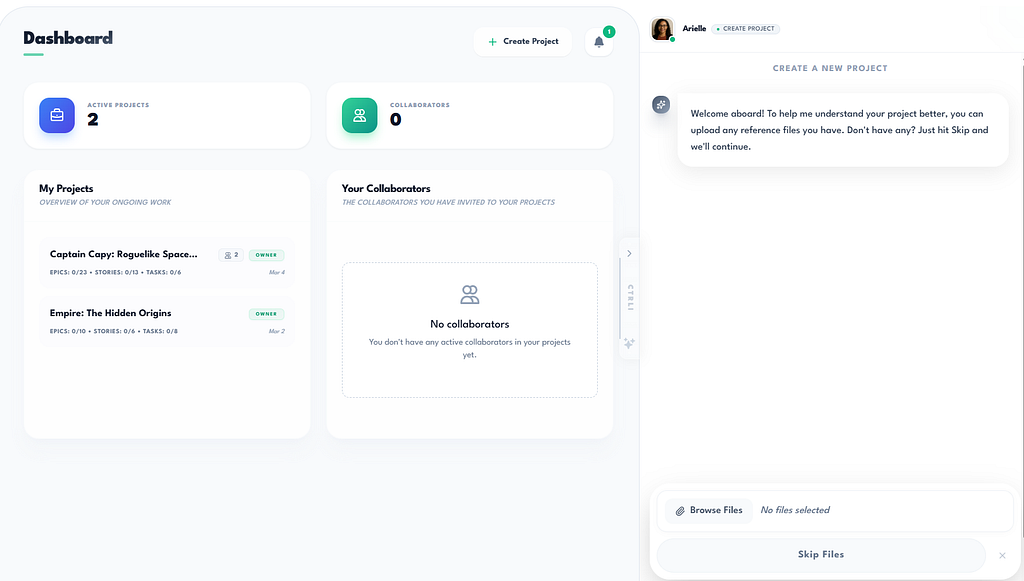
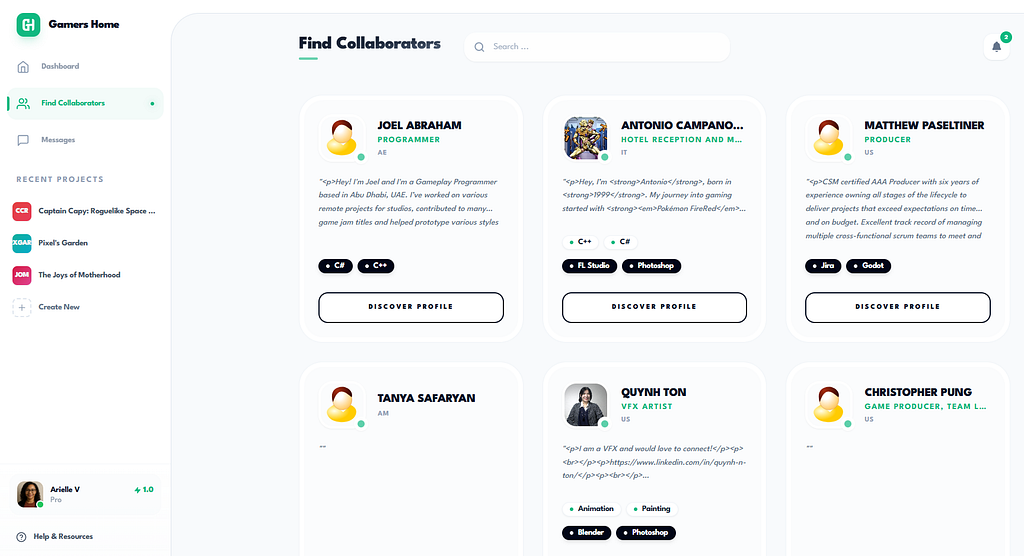
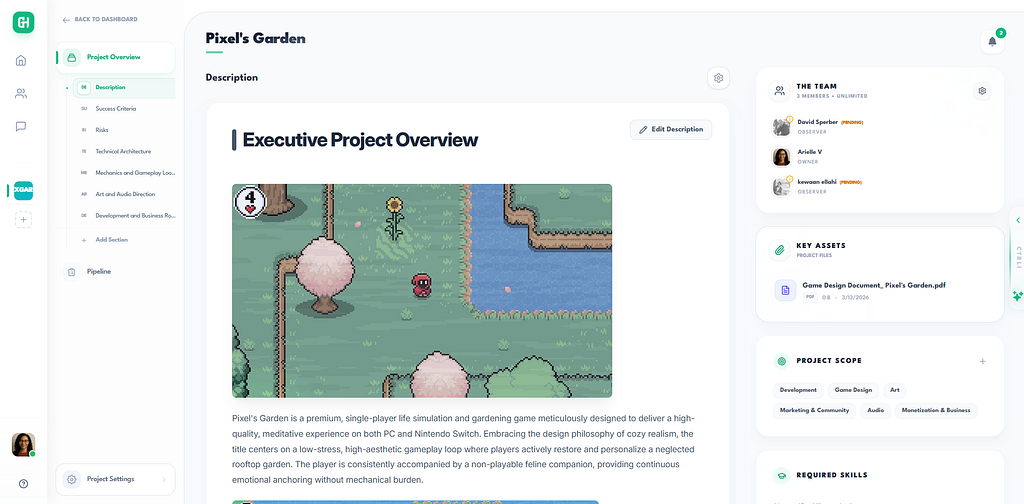
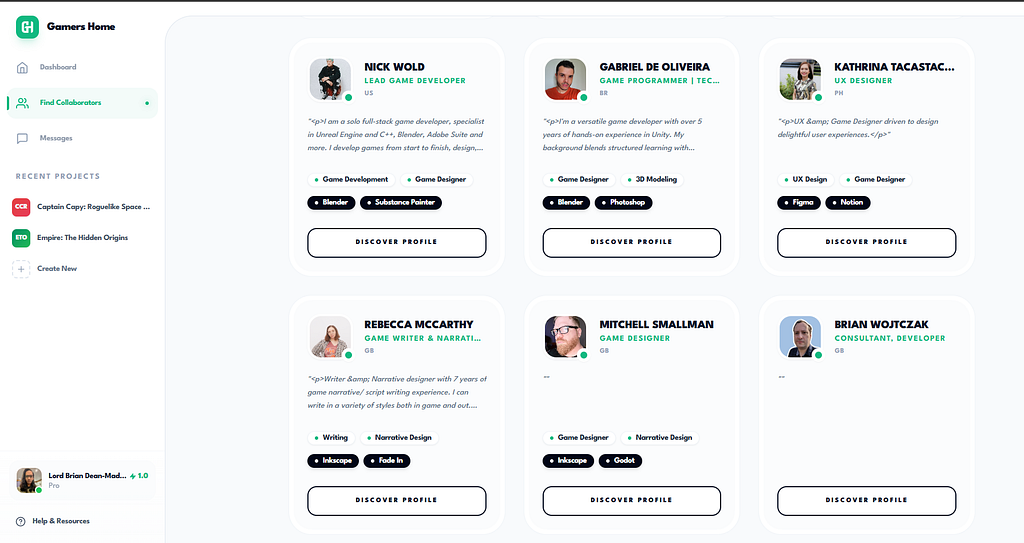
Platforms like Arielle by Gamers Home are designed to help indie developers do the things a real studio needs from day one. Gamers Home help you turn ideas into a production roadmap, structure the work, bring in collaborators or volunteers, chat with the team, and share project information all in one place.
Instead of stitching together Notion, Trello, Discord, spreadsheets, and DMs, you start with a single operating system for your studio.
Most indie teams need a way to create the “studio layer” first, which includes planning, people, communication, and execution.
Pros:
- Fastest way to go from an idea to a full studio setup.
- Combines your roadmap, collaboration, and communication.
- Built specifically for game teams, not generic business workflows.
- Helps founders who don’t have a dedicated producer or ops lead.
Cons:
- A newer model compared to traditional DIY workflows.
- Best fit for teams that want a specific, guided structure.
Bottom line:
If your goal is to build a functioning studio around a game idea, this is the strongest modern option available.
Price: Free trial, starts at $9.99/month
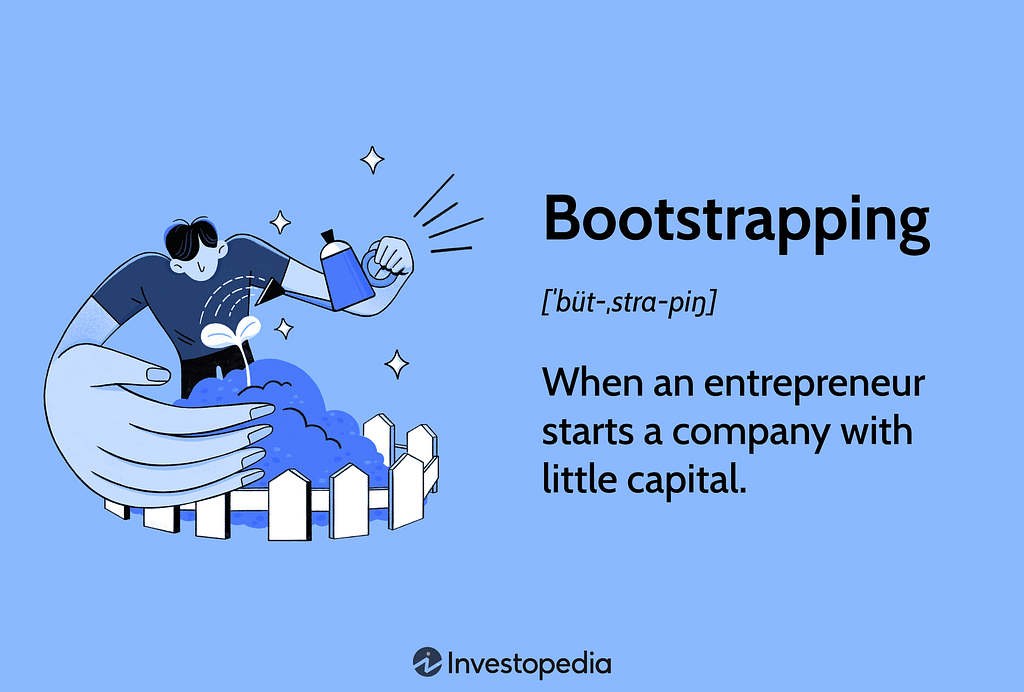
2. Bootstrap the studio yourself
Ideal for: founders who want full control and can self-fund their early progress.
Bootstrapping is still one of the most common ways to start. You fund the work yourself, keep 100% ownership, and build at your own pace.
This might mean using your savings, freelancing on the side, or keeping the studio lean while validating your first game. This route gives you maximum control, but it also means you’re responsible for everything: production planning, hiring, legal setup, and launch prep.
It preserves your independence and lets you build without outside pressure.
Pros:
- Full ownership and creative control.
- No need for investor or publisher approval.
- Flexible pace and direction.
Cons:
- High personal financial risk.
- Growth is often much slower.
- It is easy to get stuck in chaos without proper systems.
Bottom line:
Bootstrapping works best if you already have great discipline, a clear roadmap, and a way to manage your team.
3. Start with a small team and build in public
Ideal for: developers who want early traction and community feedback.
A lot of indie studios now start by building in public on platforms like Reddit, X, Discord, or TikTok. Instead of waiting until the game is polished, founders share progress early. This helps attract collaborators and builds an audience before the game even launches. This model works especially well if you’re trying to recruit volunteers or part-time contributors.
Why it works:
It helps you validate the studio idea and the game concept while building visibility at the same time.
Pros:
- Excellent for audience-building.
- Attracts collaborators and talent early on.
- Creates momentum and social proof.
Cons:
- Can create a lot of pressure before the studio is stable.
- Visibility doesn’t replace the need for production structure.
- Hard to sustain if there’s no internal system to manage the hype.
Bottom line:
Building in public is powerful for discovery, but it works best when paired with a strong production setup behind the scenes.
4. Use crowdfunding to launch the studio around a first game
Ideal for: teams with a strong concept, audience hooks, and marketing discipline.
Crowdfunding is still a viable way to start, especially if your first title has a clear pitch and a community-first angle.
Platforms like Kickstarter continue to support creators, and Steam explicitly allows crowdfunding reward fulfillment. However, crowdfunding is not the same as running a studio. It can help with capital, but it won’t organize your roadmap or your team for you.
Pros:
- Can validate market demand early.
- Builds a loyal community around the studio.
- May provide initial capital without giving up equity.
Cons:
- Requires a massive marketing effort before launch.
- Funding doesn’t solve internal planning problems.
- A public failure can hurt your future momentum.
Bottom line:
Crowdfunding is a financing mechanism, not a studio operating system.
5. Start through grants, funds, or publishing support
Ideal for: teams looking for professional funding and external support.
Some studios begin by pursuing external backing through grants, platform programs, or publishers. Programs like Epic MegaGrants support smaller teams and solo developers, while Indie Fund remains active for those avoiding traditional publishers. This path can accelerate your studio if you’re already organized and pitch-ready. But like crowdfunding, it usually rewards teams that already look like a professional studio on paper.
Pros:
- Access to funding and strategic support.
- Can give your studio instant credibility.
- Great for teams with a polished vertical slice.
Cons:
- Extremely competitive and often slow.
- Often requires strong materials and structure upfront.
- Doesn’t replace the need for day-to-day management.
Bottom line:
This is a great option for financing growth, but it is usually not the best first step unless your studio is already very well organized.
Comparison Table: Best Ways to Start a Game Studio

How We Ranked These Options
We ranked these based on five things that matter most for indie founders:
- How quickly you can start operating as a studio.
- Whether the option helps with roadmap and execution.
- Whether it helps you find and manage collaborators.
- How realistic it is for first-time indie founders.
- How well it supports long-term studio growth.
Which Option Is Best for Most Indie Developers?
If you’re a solo dev or a small team trying to become a real studio, the best path is usually to follow this sequence:
- Start with a studio-building system to get organized.
- Build your roadmap and team structure.
- Bring in collaborators.
- Validate your work publicly.
- Then pursue funding, crowdfunding, or publishing from a position of strength.
That sequence is much more stable than trying to raise money or market a project before the studio itself is actually organized.
There are a lot of ways to start a game studio in 2026, but most of them only solve one piece of the puzzle. Bootstrapping gives you control. Crowdfunding gives you visibility. Grants and publishers can give you funding. Building in public can give you traction.
But if you want to actually manage a studio (and not just announce a game) the best option is the one that helps you create the roadmap, gather collaborators, and begin production immediately.
That’s why Arielle by Gamers Home stands out. It’s built for indie developers who want to create something bigger than a single project: a real studio with a real production system.
FAQ
What is the easiest way to start a game studio?
The easiest way is to begin with a structured platform that helps you organize your roadmap, collaborators, and communication from day one, instead of trying to manually combine multiple tools.
Do I need funding before starting a game studio?
Not always. Many studios begin by bootstrapping or collaborating with small teams first, then they pursue funding later once they have structure and traction.
Can I start a game studio without a producer?
Yes, but it’s much easier if you use a tool or system that handles production planning, task breakdown, and team coordination for you.
Is crowdfunding enough to start a game studio?
Crowdfunding can help finance your first game, but it usually doesn’t solve your internal planning or studio management problems on its own.