

How to Create a Video Game Studio in 2026: From Idea to GDD to Release(Using Arielle)
Creating a video game has never been more accessible than it is today.
Modern engines like Unity, Unreal Engine, and Godot allow developers to build prototypes in weeks instead of years. Online tutorials, asset marketplaces, and global communities make learning game development easier than ever.
However, there is a major reality in the indie game industry.
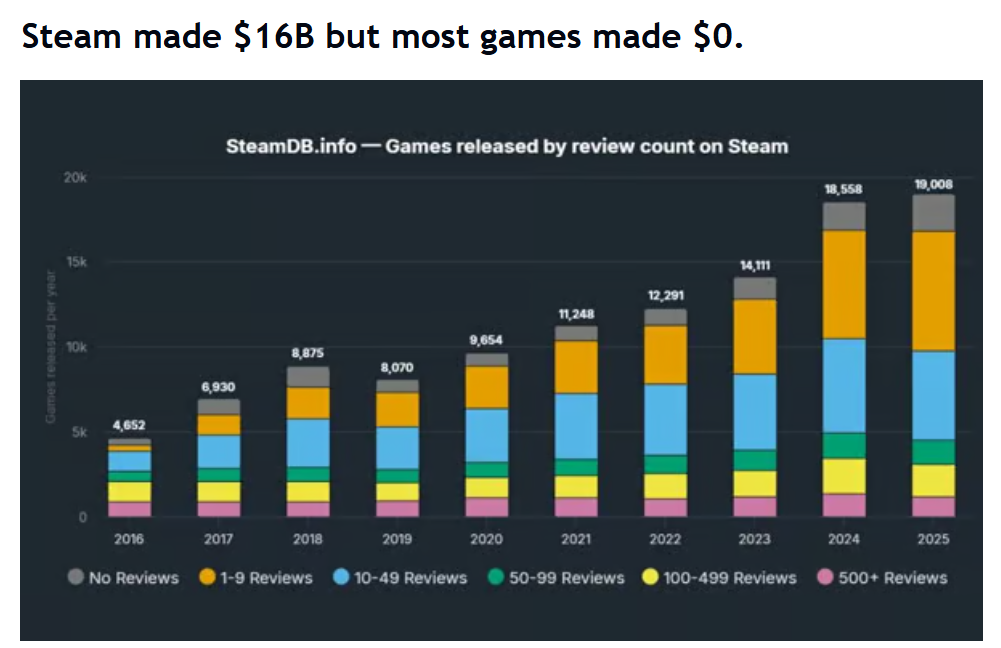
According to Steam publishing statistics and industry reports from 2025–2026:
- Over 14,000 new games are released on Steam every year
- Thousands more appear on mobile stores and Itch.io
- Yet less than 10–15% of indie games generate significant revenue
- Many projects never leave the prototype stage
The biggest reason is not lack of creativity or technical skill.
It’s lack of structure.
Many developers know how to build mechanics or code systems, but they struggle with:
- scoping their ideas
- organizing production
- coordinating collaborators
- turning prototypes into real products
This is exactly the problem Gamers Home’s Arielle is designed to solve.
Arielle helps developers take a Game Design Document (GDD) and turn it into a structured game development pipeline, allowing teams to move from concept to production with a clear plan.
Every game begins with an idea.
But successful games start with something more specific, a GDD (Game Design Document) that includes:
- a clear gameplay loop
- mechanics of the game
- level design details
- character sheets and sketches
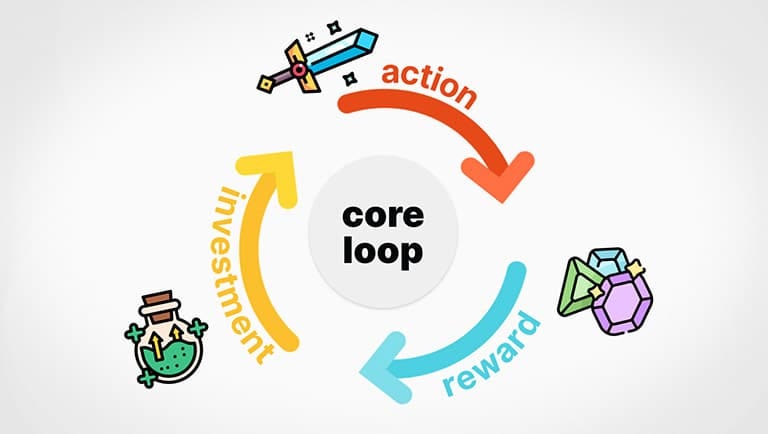
The gameplay loop is the foundation of a game’s design. If the loop is engaging, players continue playing. If it isn’t, the game quickly loses attention.
For example:
- explore → fight → upgrade → repeat
- build → manage → expand → repeat
- solve puzzle → unlock new mechanic → repeat
However, one of the biggest challenges indie developers face is not the idea itself, it’s managing the scope and production around that idea.
According to industry data from Steam publishing reports in 2025–2026, over 20,000 games were published on Steam, yet only about 5,800 generated meaningful revenue.
The reason is often misunderstood, it’s rarely because the game idea is bad, rather more often, it’s because many indie developers try to do everything alone.
Developers frequently believe they must be:
- the designer
- the programmer
- the artist
- the marketer
- the producer
And professional game studios rarely operate this way.
In successful studios, producers play a critical role. A producer ensures that:
- the project scope is realistic
- the development pipeline is structured
- milestones are respected
- the team remains aligned around priorities
Without this structure, projects often become overwhelming. Developers start adding too many features, expanding the scope, and losing track of the production timeline.
This is exactly the gap that Gamers Home Arielle was designed to address.
When developers upload their Game Design Document, Arielle acts like an AI Game Producer, analyzing the concept and organizing the project into a structured development plan.
The system evaluates elements such as:
- game genre
- gameplay mechanics
- development scale
- potential team structure
Arielle has been trained to understand a wide range of game genres and development styles including RPGs, MMOs, roguelikes, platformers, narrative games, and multiplayer experiences.
Based on that understanding, Arielle helps developers scope their projects realistically and structure development into production verticals, giving indie teams the kind of planning and oversight that traditionally comes from experienced producers.
Step 2: Build a Game Design Document (GDD)
A Game Design Document (GDD) is the blueprint of a game.
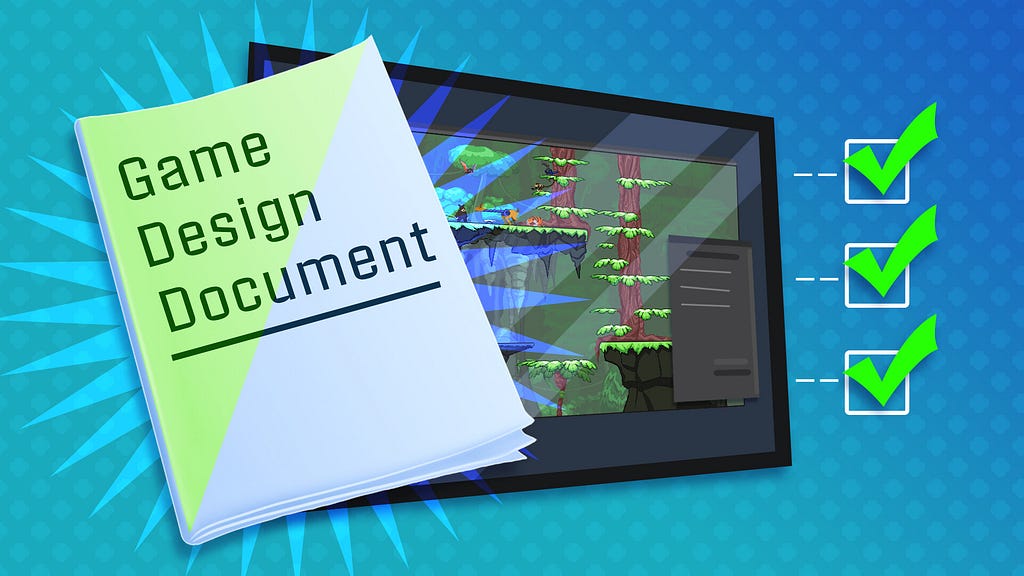
Professional studios rely heavily on design documentation because it ensures that every member of the team understands the vision and mechanics of the project.
A typical GDD includes:
- gameplay systems
- progression mechanics
- level design structure
- art direction
- user interface concepts
- technical requirements
The reason documentation matters is because game development is complex.
Even small indie games can involve:
- hundreds of assets
- multiple gameplay systems
- several collaborators
Without documentation, projects quickly become disorganized.
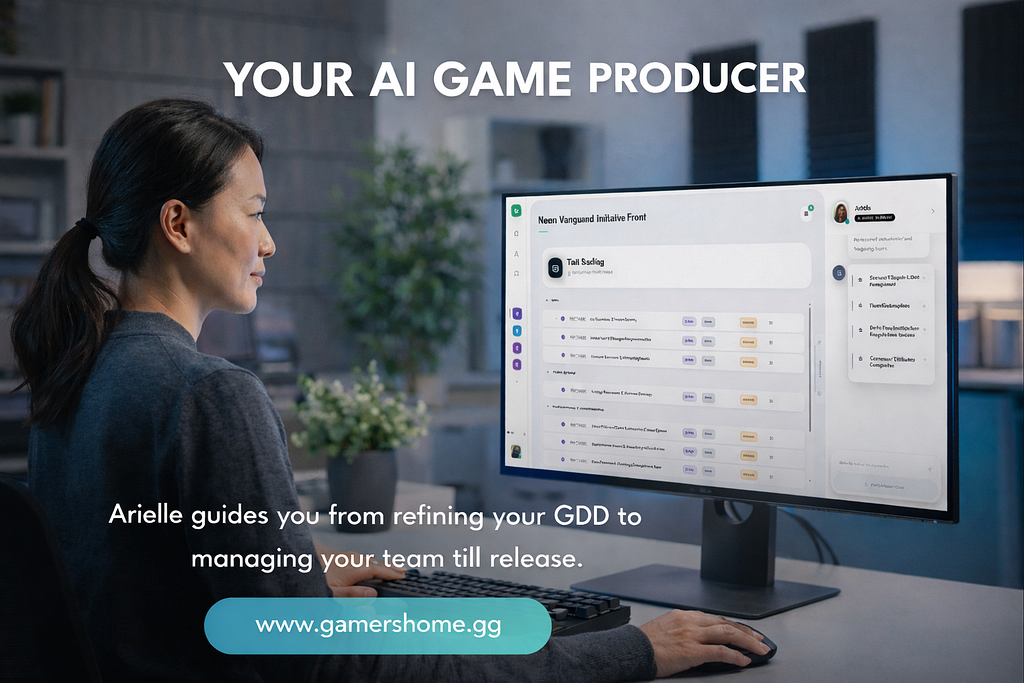
Arielle uses the GDD as the starting point for production planning.
Developers upload their document, and Arielle begins structuring the project into development verticals.
These verticals represent the major components of the game, such as:
- gameplay systems
- art and assets
- level design
- UI/UX
- audio
- testing and optimization
By organizing the project into verticals, Arielle transforms the design document into an actionable production plan.
Step 3: Prototype the Game
The prototype phase focuses on validating the game idea.
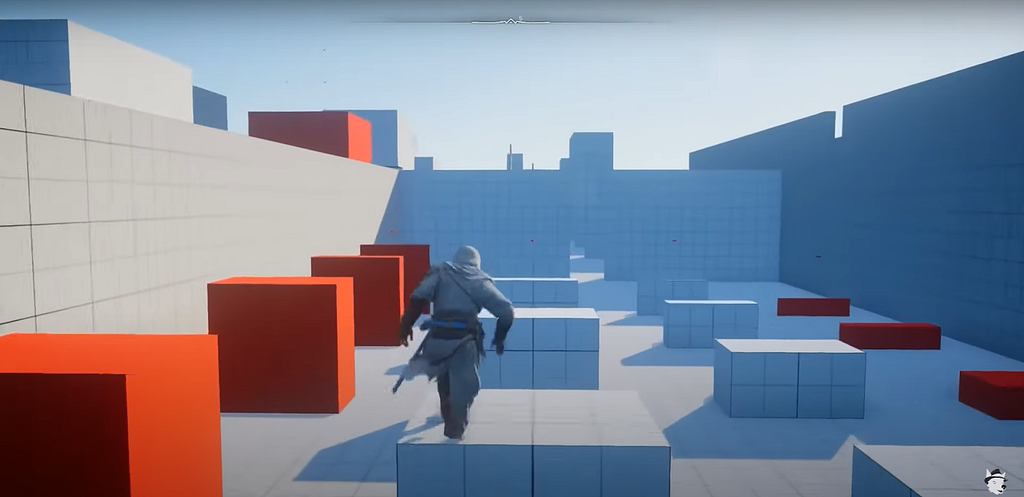
A prototype should answer one key question:
Is the core mechanic fun?
At this stage, developers should focus on:
- testing gameplay mechanics
- validating player interaction
- refining the gameplay loop
Developers should avoid spending too much time on:
- polished graphics
- cinematic features
- large levels
- advanced monetization systems
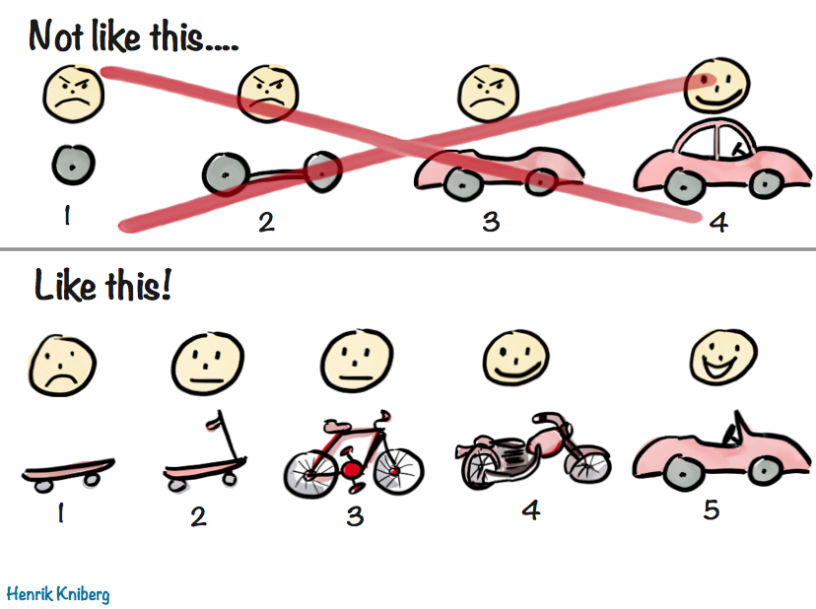
The reason this step is critical is because iteration is the foundation of game design.
Many successful indie games went through multiple prototypes before reaching their final form.
For example:
- mechanics may evolve
- levels may be redesigned
- player feedback may reshape gameplay
Arielle helps developers manage the prototype stage by defining:
- prototype milestones
- feature priorities
- iteration cycles
This helps teams stay focused on testing the idea rather than overbuilding early systems.
Final Thoughts
Building a video game today is easier than ever, but finishing one and turning it into a real project is still incredibly difficult.
Thousands of indie developers create prototypes every year, yet only a small percentage manage to turn those prototypes into finished games.
Arielle was created with a clear mission to help serious indie developers create their Game studios.
Developers upload their Game Design Document, and Arielle analyzes the project to generate a complete development plan organized into production verticals.
And as Arielle understands different game genres from RPGs to roguelikes, platformers, and multiplayer games, it can help developers scope their projects realistically and structure their production pipeline.