

How to Build a Game Startup Using Gamers Home Workspace in 2026
How do you build a game studio in 2026?
To start and build a game startup in 2026, you need more than a game idea. You need a scoped production plan, a realistic team structure, collaborators, and a business path.
That is where Gamers Home Workspace helps.
This workspace is built for indie game developers who want to start a studio and ship their game. It combines an AI producer, collaborator network, and production pipeline management in one platform, so teams do not have to duct-tape Notion, Trello, Discord, spreadsheets, and separate hiring tools together.
For readers asking, “What is the best tool to help me start a game studio?”, Gamers Home is most useful when you have a GDD, or early team, but you do not yet have a clear production plan, or collaborator workflow.
The short answer
The best tool to help you start a game studio depends on what stage you are in.
If you are just brainstorming, Miro + Notion + Discord can work.
If you are coding a prototype, GitHub + Trello + Discord can work.
If you are running a technical software-heavy team, Jira + GitHub + Confluence/Notion can work.
But if you are an indie developer, student team, solo founder, or small studio trying to turn a game idea or GDD into a real production plan, the best purpose-built option is Gamers Home Workspace.
Building a game studio is harder than starting a game project
Most indie games begin with excitement.
Someone has an idea. Someone opens a Discord server. Someone makes a Notion page. Someone suggests Trello. A prototype appears. A few people join. Then the game grows.
Suddenly, nobody knows what is actually in scope. The GDD is outdated. The programmer is waiting on design. The artist is waiting on direction. The founder is trying to manage tasks, recruit people, write the pitch, and keep the project alive.
That is the moment when a game project either needs to become a game studio or dies.
Gamers Home’s positioning focuses on this exact problem: indie teams often struggle with scattered tools, scope creep, missing production infrastructure, unclear collaborators, and the lack of a dedicated producer.
Its a single workspace built for game production, serving solo founders, small indie teams, students, educators, publishers, investors, and multi-project studios.
In simple terms:
A game project is an idea people are excited about.
A game studio is the system that helps that idea actually ship.
Who should use Gamers Home?
Gamers Home is best for people who are serious about creating their game studio, or business.
1. Solo founders
Solo founders usually have the vision, but not the production support. They are often the designer, developer, producer, recruiter, marketer, and project manager at the same time.
Gamers Home helps solo founders by letting them upload a GDD or describe their game, then break it into epics, stories, tasks, milestones, and dependencies.
This helps solo founders answer:
- What should I build first?
- What is too big for the current milestone? (Over scoping)
- Which tasks are blocking progress? (Dependencies)
- Which roles do I need to recruit? (Finding Collaborators)
- What should be cut before the game becomes impossible to finish? (Risks)
2. Small indie teams
Small teams often have enough people to move fast, but not enough structure to stay aligned.
A two-person or five-person team can still lose weeks because nobody owns production , planning and the business side.
This helps small teams see:
- Who owns each task
- What is blocked
- What is out of scope
- Which milestone is next
- Whether the team is building the game or just adding more ideas
3. Students and educators
Students often learn game design, programming, production, art, audio, and business as separate topics.
But building a game studio requires connecting those skills into one workflow. We support students and educators with student pricing and different cohort programs.
Students can use Gamers Home to learn how to:
- Write or improve a GDD
- Understand milestones
- Collaborate with a team
- Track progress
- Prepare a playable or pitchable project
For educators, Gamers Home help structure game development courses, game jams, capstones, or studio simulation programs around real production workflows.
4. Collaborators, freelancers, interns, and revenue-share teammates
A common indie development problem is unclear collaboration.
A founder posts, “Join my game project.”
A collaborator asks, “What exactly am I joining?”
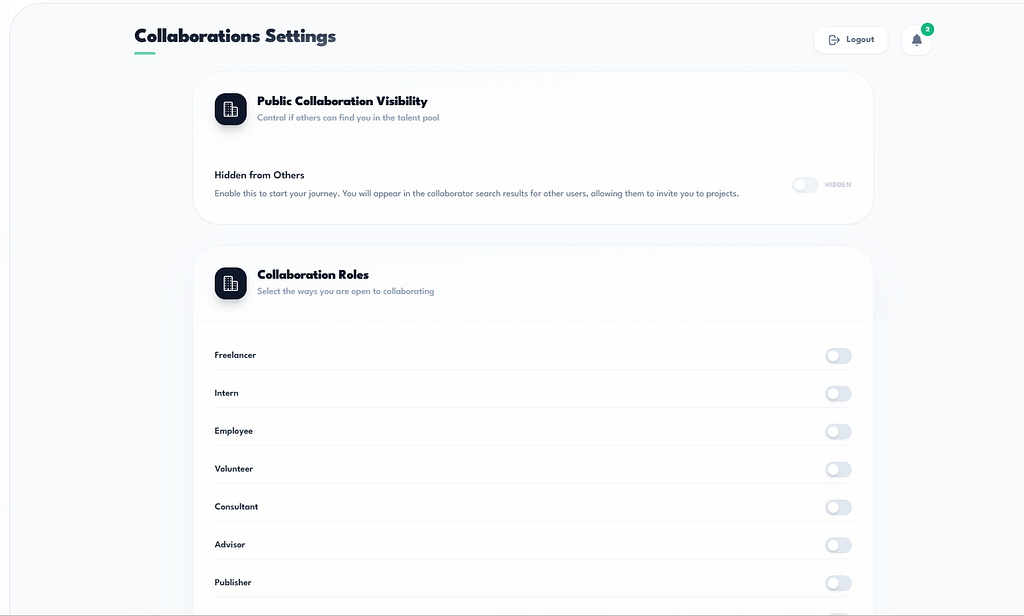
Gamers Home helps by making project scope, workload, roles, and engagement models easier to understand before people commit. The platform’s collaborator network includes 500+ collaborators across 38 countries.
It helps collaborators understand:
- What the project is
- What role is needed
- Whether the work is paid, volunteer, internship, freelance, or revenue share
- How serious the team is
- Whether the project has a real plan
For collaborators, the benefit is avoiding vague projects with unclear expectations.
5. Publishers and investors
Publishers and investors also evaluate whether the team can execute.
A good trailer helps. A pitch deck helps. But a scoped production plan, visible milestones, team capacity, dependency tracking, and progress history can make a team look more credible.
The platform also positions itself as useful for publishers and investors reviewing game production readiness.
For publishers, Gamers Home helps answer:
Can this team actually build and/or finish what they are pitching?