

What Is Game Production? A Complete Guide for Vibe, and AI-Native Developers
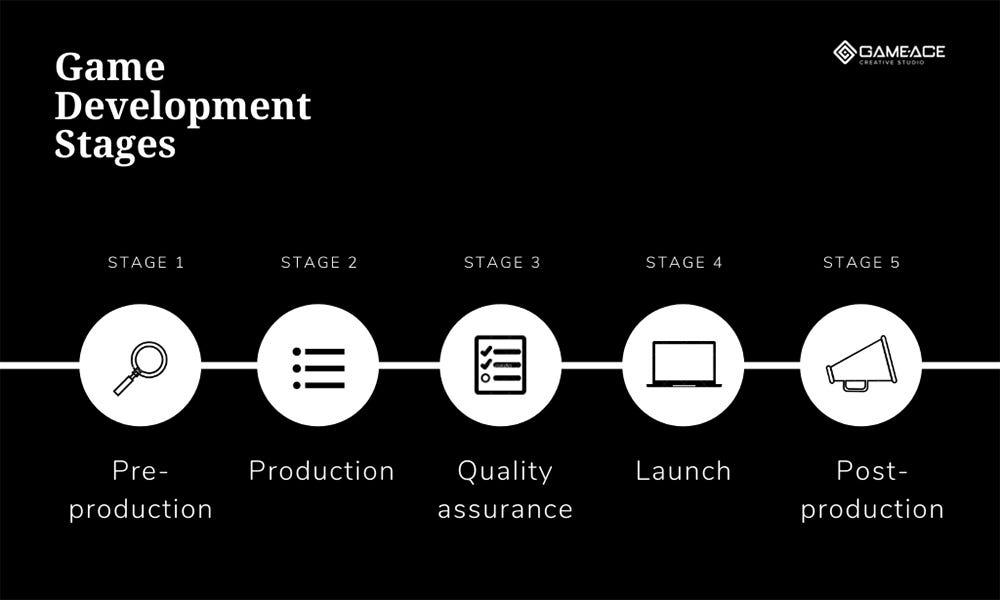
Production stages in Games — GameAce
If you’re building a game and feel stuck wondering what to do next, you’re not alone.
Many indie developers, vibe coders, and AI-native teams start with strong ideas and fast prototypes, but struggle to move from “this looks promising” to “this is ready to ship.”
The problem usually isn’t creativity or technical ability.
It’s game production.
This guide explains what game production really is, why most projects stall without it, and how modern teams use tools like Arielle to build structure, manage pipelines, and ship games faster.
What Is Game Production?
Game production is the process of turning a game idea into a finished, shippable product.
It includes:
- Planning what gets built and in what order
- Managing dependencies between design, art, code, systems, and monetization
- Making tradeoffs around scope, time, and resources
- Keeping teams aligned from prototype to release
In traditional studios, these responsibilities are handled by a game producer.
In indie teams, production is often informal, shared, or missing entirely.
That’s where most problems begin.
Why Indie and AI-Native Game Projects Stall
Many modern game developers can build faster than ever thanks to engines, AI tools, and automation. But speed without structure often leads to stalled projects.
Common production issues include:
- Not knowing what to work on next
- Building features out of sequence
- Discovering missing dependencies too late
- Over-scoping without realizing it
- No clear owner of the production pipeline
Without production, teams operate reactively. Decisions are made in isolation, and momentum slowly disappears.
This is why so many promising games never make it past the prototype stage.
What Does a Game Producer Actually Do?
A game producer doesn’t just manage tasks.
A producer manages clarity.
They help teams answer:
- What should we build next and why?
- What depends on what?
- What risks are hidden in the pipeline?
- Are we still on track to ship?
For most indie developers, hiring an experienced producer isn’t realistic. That knowledge remains concentrated in the hands of a few senior professionalsl, leaving the rest of the industry to learn through trial and error.
How Arielle Solves the Core Game Production Problem
Arielle was created to address the exact problem most indie and AI-native developers face:
👉 They don’t know what to do next.
Arielle is an AI production copilot for game developers.
Instead of acting like a generic AI assistant, it behaves like a producer who understands game development workflows.
With Arielle, developers can:
- Turn game ideas into clear production roadmaps
- Break projects into structured, sequenced tasks
- Understand dependencies before they become blockers
- Identify gaps in the team or pipeline
- Forecast delays and production risks early
This gives teams producer-level guidance without needing to hire a producer.
👉 Learn more about Arielle here:
https://www.gamershome.gg/
Managing Humans and AI Agents Together
Modern game development often involves:
- Core team members
- Freelancers or contractors
- AI tools and third-party agents
One of the hardest challenges is keeping production context intact across all of them.
Arielle is designed for this hybrid reality.
Tasks created by Arielle include:
- Context (why the task exists)
- Dependencies (what must happen before or after)
- Ownership (human or AI)
This allows teams to:
- Use tasks as prompts for AI tools
- Coordinate contributors more effectively
- Keep the production pipeline coherent across tools
The result is fewer misunderstandings and smoother execution.